


Online casino disputes usually blow up because of procedural mistakes, not weak claims. In Greece, the Hellenic Gaming Commission enhances consumer protection every year, yet plenty of solid cases fall apart before anyone examines them. Understanding what ruins a complaint is the difference between being reimbursed and walking away empty-handed. Licensed operators like Slotoro Casino build their dispute systems specifically to stop those collapses, but even a watertight claim fails if a player makes the wrong move.
Ignoring the Role of the Regulatory Authority and ADR
Many Greek players don’t know that EEEP-licensed casinos have to sign up with an approved Alternative Dispute Resolution body. This outfit works as a free, impartial arbitrator authorised to hand down binding decisions. The big misstep involves hiring a lawyer prior to even present the case to the ADR provider — you squander legal fees chasing a result the regulator could serve up in weeks.
Locating the right ADR is simple. The casino’s licence footer or complaint policy names the assigned provider — such as the Malta Gaming Authority’s player support unit or an independent mediation centre. The European Commission’s Online Dispute Resolution platform accepts cross-border gambling gripes as well, providing a single digital front door that forwards the case to the correct body.
Slotoro Casino details its ADR provider in the legal section, including a direct link and a checklist of what to attach https://slotoro-casino.net.gr/legal-and-affiliates/. Submitting via that channel sets a formal response deadline. But complaints that land without proof you went through internal channels are returned immediately, which just underscores why the sequence matters.
Ignoring the Influence of the Affiliate Marketing Chain
A stunning chunk of disputes don’t start with anything the casino did — they sprout from fake promises fabricated by unvetted affiliate sites. Players who click banners shouting ‘guaranteed wins’ or ‘secret loopholes’ show up expecting things no straight operator can deliver. When reality kicks in, the casino absorbs the fury even though the affiliate sowed the lie.
Slotoro Casino has poured resources into a compliance-monitored affiliate programme that audits partner content every quarter. Approved affiliates can’t push terms that clash the casino’s official rules. Any site discovered inventing bonus values or RTP guarantees gets pulled from the network. That screening reduces the number of expectation-driven disputes.
The player-side defence is very straightforward: never believe an offer that doesn’t appear on the official promos page. If an affiliate promotes a 400% bonus with zero wagering and the casino’s actual terms state a 100% match with 35x playthrough, you’re heading straight into a fight. Grabbing screenshots of affiliate landing pages before you sign up offers another shield in case a dispute surfaces later.
Not being able to Maintain a Single Point of Contact
Firing off multiple tickets, emailing from different addresses, and communicating under separate accounts boggles the internal tracking system. You find yourself with a splintered case file where no single agent has the whole story. Merging duplicate tickets wastes time and often yields contradictory answers that the player reads as bad faith.
The disciplined way: one email thread for the whole complaint lifecycle. Every follow-up replies to the original case number thread, maintaining the timeline. If the platform has a structured complaint form, make that the master record. Slotoro Casino’s compliance system assigns every case to a unique ID that stays even if you later ping a different department.
When a kathimerini.gr regulator finally examines the file, a jumble of fragments undermines your case. A clean, straight thread with attachments and dated replies comes across like a credible, tight complaint. That alone can tilt the regulator’s first impression before the real arguments even get evaluated.
Corresponding with Assistance in a Antagonistic or Vague Manner
The opening support ticket’s tone often establishes the tone for the entire investigation. Agents who are subjected to verbal attacks or convoluted charges stick to the rulebook, while a collected, precise message generates some discretionary goodwill. In Greece, where many players don’t use English natively, the additional translation layer can make emotional phrasing sound completely hostile.
A strong complaint kicks off with one objective sentence: the date, time, and amount in dispute. Then include the evidence package and cite the specific term or game rule. Remove adjectives, assumptions about intent — just a concise timeline. That’s precisely how regulators structure their own case reviews.
Slotoro Casino educates support to separate tone from merit, but metrics across the industry demonstrate that professionalism reduces resolution time. A dispute you could wrapped up in three messages turns into a week-long deadlock because your wording made compliance stand firm.
Escalating Before Completing Internal Procedures
Jumping to a public forum, a chargeback, or the gaming authority before you’ve climbed the operator’s internal complaints process proves to be a costly error. Most regulatory authorities — with the Hellenic Gaming Commission among them — won’t touch a file without proof that you exhausted the operator’s internal process. Posting the complaint via social platforms, no matter how justified, sets the process back to square one.
The correct sequence begins with first-line assistance, then moves on to a formal written complaint sent to the compliance department’s email. Slotoro Casino lists that address in the responsible gaming section; responses include a reference number accepted by licensing bodies. If no answer lands within the stated timeframe — usually five to ten business days — you are entitled to take the next step.
Omitting those procedures delays everything and can tank your leverage. The moment you file a chargeback, the platform’s terms of service usually allow them to freeze the account and cancel any pending payouts. Though trying to bypass the process, you inadvertently activate the casino’s most stringent safeguards.
Misreading the Platform’s Formal Licensing Jurisdiction
The first big mistake is guessing that any casino displaying a Greek-language interface must be licensed by the Hellenic Gaming Commission. Many sites operate under a Curacao, Malta, or Kahnawake licence, and that determines which mediation body winds up handling the dispute. Submitting a complaint with the wrong regulator eats weeks of processing, and the case gets thrown out without anyone looking at the facts.
Before you deposit a single euro, slide to the bottom of the page and verify the licence stamp. A reliable operator like Slotoro Casino places its registration number front and centre, connected to the live licence register. That one check wipes out a huge pile of dead-end complaints that arise simply because nobody bothered to verify which authority actually calls the shots.
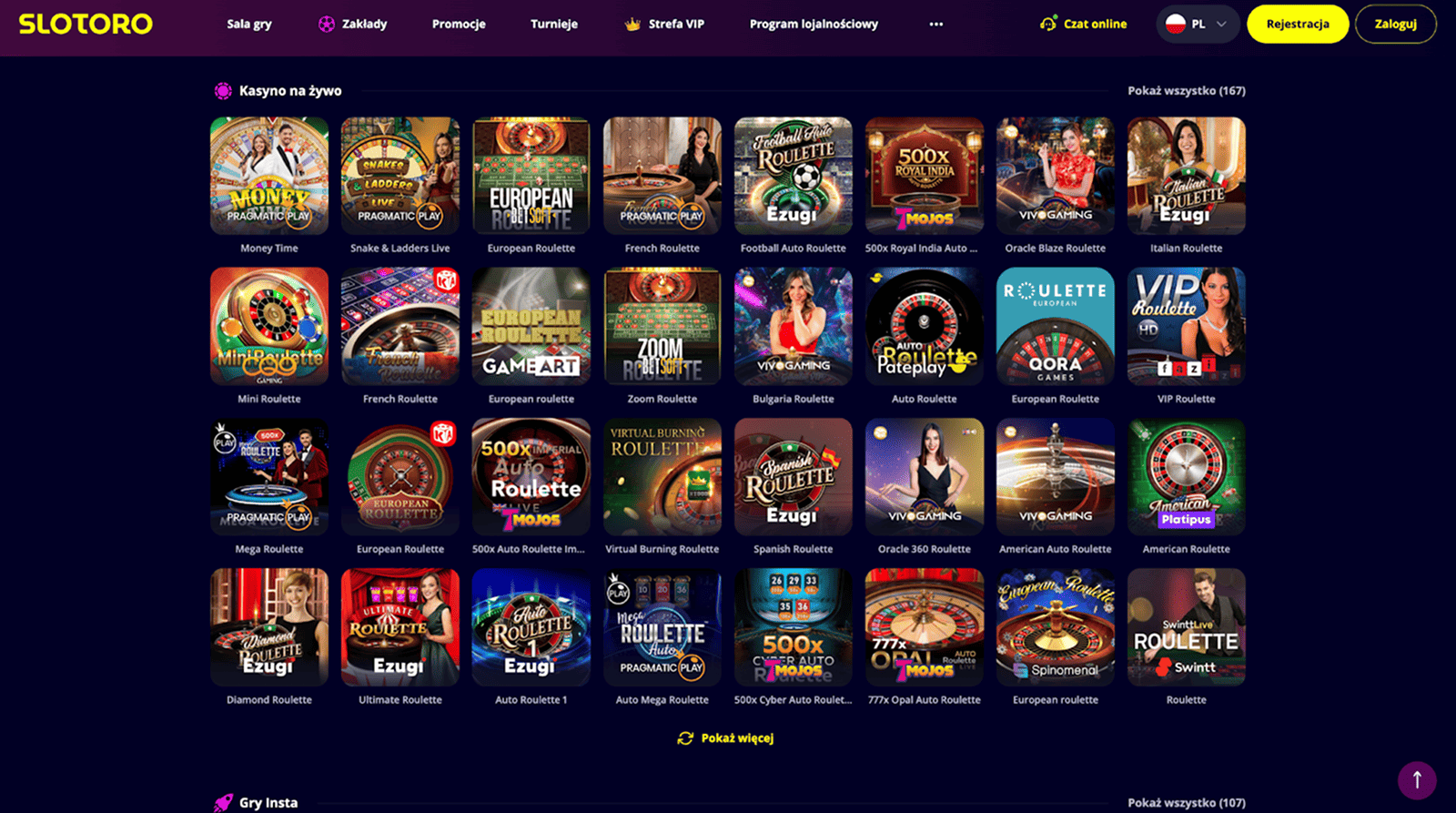
Greek residents get extra protection at EEEP-licensed domains because EU ADR rules require those operators into binding alternative dispute resolution. For offshore-licensed platforms, the route is narrower, leaning on eCOGRA or independent arbitration. Identifying the jurisdiction early spares you from following a complaint into a bureaucratic black hole.
Misjudging the Value of a Formal Complaint Letter
Phone calls and scattered chat messages seldom leave a solid dispute trail. A written complaint, structured like a business letter, carries authority — it indicates you’re recording everything for eventual escalation. It also forces you to spell out clearly what solution you’re after, which strengthens the negotiation from the outset.
The letter requires your complete legal name, account username, the time and details of what happened, a bullet list of supporting evidence, and a clear ask — like a refund of a set amount or the reinstatement of a bonus locked by mistake. Sending it via certified email or the platform’s secure upload portal builds an unbreakable chain of custody.
Slotoro Casino’s legal team works formal complaint letters during the ADR-mandated window and frequently settles matters before any outside mediation begins. Players who skip this step and rely everything on chat transcripts discover too late that many operators don’t permanently log live chat — destroying the easiest proof they possessed.
Abusing Chargeback Rights Under Greek and European Law
Making a chargeback via a Greek bank or card issuer feels like pulling out a bazooka, but in gambling disputes it is typically pointed the wrong way. Card networks define a chargeback as a remedy for fraud or service not rendered — not for quarreling over bonus fine print or game fairness. If you classify a genuine gameplay disagreement as fraud, the merchant can respond with transaction logs and overturn the reversal, leaving you broke and with a marked banking record.
The only safe window for a chargeback arises when the casino pulls money without permission or won’t return a deposit after a clear breach of its licence conditions. Everything else, use ADR first. A premature chargeback typically locks the account and removes any chance of a friendly settlement.
Greek banks now eyeball gambling chargebacks harder than ever, due in part to anti-money laundering rules. A declined chargeback and then a locked bank account lands you in a double mess. Licensed platforms like Slotoro Casino present a dispute form that doubles as a contractual record — much more successful at recovering money back than a knee-jerk chargeback.
Not Gathering Complete Evidence While recording Gameplay
Casino servers record every spin, hand, and transaction, but those logs aren’t always in your way. Without your own documentation, a dispute turns into a unilateral account. Support teams sift through hundreds of claims monthly and only jump on the ones with indisputable proof. Screenshots, screen recordings, and transaction IDs increase a complaint’s credibility overnight.
A robust evidence package offers zero wiggle room. Capture these items before ending your session — some platforms erase history the moment you log out.
- A full-screen screenshot with the game round ID, bet amount, result, and the system clock displayed.
- A screen capture video of the disputed round that captures the loading sequence and any error messages.
- The cashier transaction ID, timestamp, and amount for every deposit and withdrawal linked to the dispute.
- Copies of all live chat transcripts or email threads, exported as PDF files.
- An image of your bank statement showing the outgoing or missing payment at the payment provider level.
Slotoro Casino’s dispute team reports cases that arrive with this five-point kit settle three times faster than the ones that show up with vague complaints. When you can identify to exactly what went wrong, compliance locates the technical logs in minutes. No evidence, and you’re forced to wait through a extended internal audit that usually ends without a win.
Omitting to Read and Log the Specific Terms and Conditions
Nearly every payout dispute that gets denied goes back to some term the player overlooked at sign-up. Bonus rules, withdrawal caps, limited payment methods, dormant account fees — they’re all located in the Terms and Conditions. Ignore them, ask for an exception later, and support agents are legally stuck enforcing the published rules.
The astute move: save a dated PDF of the complete terms page the day you open your account. Slotoro Casino version-controls its terms and won’t apply backward changes without a recorded notice. Nonetheless, owning your own copy kills the ‘you changed the rules’ line that support desks brush off without a second thought.
Focus on bonus-related fine print. Wagering value percentages, max bet caps while a bonus is active, and regional exclusions for specific games light the fuse on most disputes. Log those details methodically before you spin, and later you’re just referencing a paragraph instead of relying on a hazy memory.
Conclusion
Casino disputes rarely get settled by shouting or skipping steps. The players who collect their money fastest are the ones who verify the licence at the door, document every term, compile granular evidence, and follow the internal and regulatory ladders in order. Greek players inside the EEEP framework have a notably strong net when they adhere to the script — support desk to ADR — without introducing unnecessary chaos. Slotoro Casino has built that discipline into both its player-facing operations and its monitored affiliate programme, eliminating friction from the jump. The lesson is clear: manage a dispute like a contract negotiation, not a screaming match, and the outcome usually shifts in your favour.
The way a Structured Affiliate Programme Stops Recurring Disputes
The relationship between an affiliate programme and stopping disputes isn’t flashy, but every accountable operator gets it. When a casino lets rogue affiliates operate freely, support spends its days tackling fires lit by strangers. A tightly run programme acts as the initial line of legal defence.
Slotoro Casino’s legal and affiliates page details the compulsory compliance rules for every partner. Creatives need pre-approval, bonus descriptions need to match the current terms, and responsible gambling info needs to be on every landing page. Automatic link audits plus human review enforce those rules, building a marketing ecosystem where players view uniform, truthful info.
When a dispute arises, the player’s entry path can be traced back to the referring affiliate. If compliance sees you came through an sanctioned, monitored channel, the investigation starts from a trust baseline. That often speeds things up because the operator recognizes the offer was shown straight, cutting out the ‘he said, she said’ phase that extends so many cases.
Leave A Comment